Professional Electrical Contractor for Reliable Installations and Maintenance
Throughout the industry of electrical work, a qualified contractor assumes a central role in ensuring both reliable installations and repairs. Their competence not only guarantees adherence to safety standards but also fosters a sense of trust with clients. By evaluating vital qualities, such as experience and communication skills, one can identify the right professional for the job. Understanding these factors can greatly impact the success of any electrical project, prompting further exploration into the selection process.
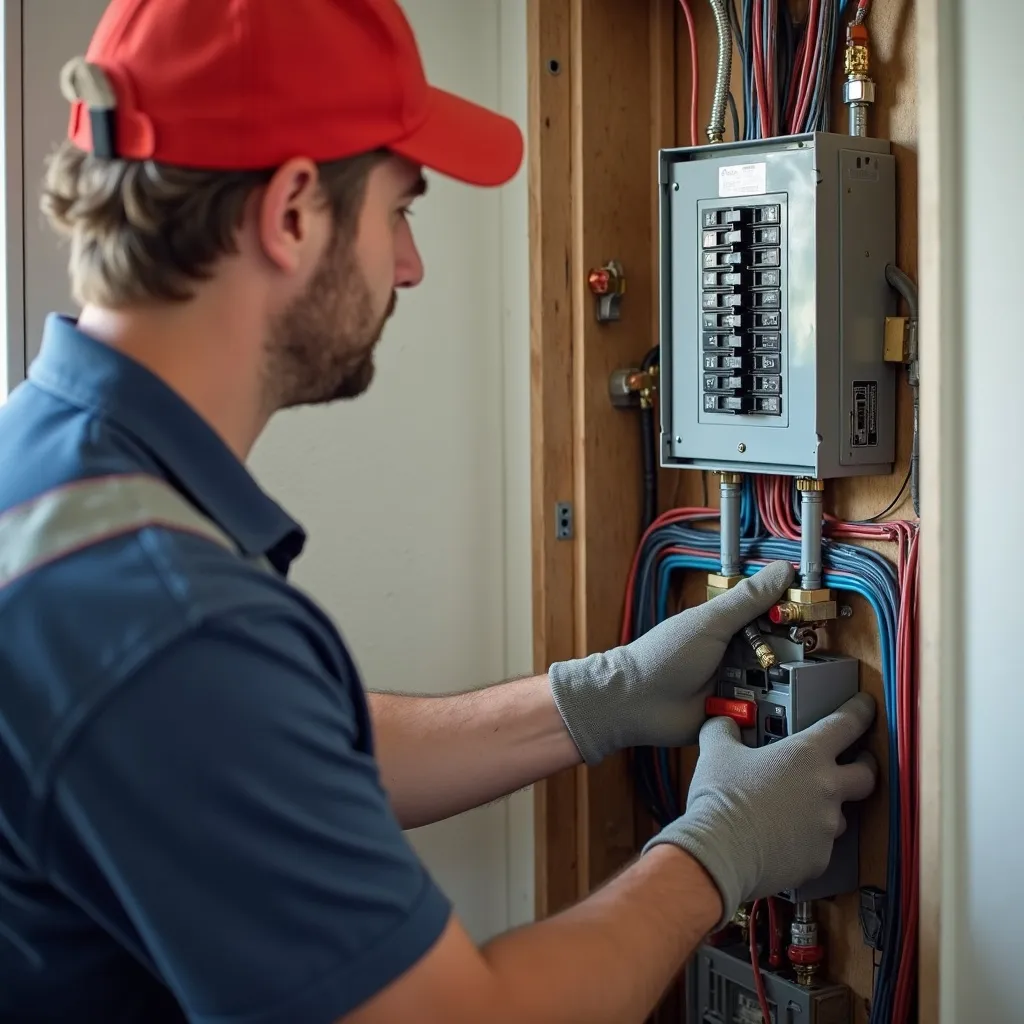
Essential Characteristics of a Trustworthy Electrical Contractor
When choosing an electrician, it is crucial to identify the important qualities that ensure trustworthiness. A dependable contractor should possess proper licensing and insurance, ensuring compliance with local regulations and safeguarding from potential liabilities. Experience in the field is another important factor; seasoned contractors are more adept at managing diverse electrical problems and understanding complex systems.
Additionally, robust interaction abilities are critical, permitting contractors to walk through procedures and handle client concerns lucidly. A dependable contractor also manifests integrity, presenting clear cost breakdowns and preventing surprise fees. Moreover, excellent reviews and references from previous customers can operate as markers of dependability and outstanding quality. Finally, a drive for professional development indicates a contractor's dedication on maintaining knowledge of evolving industry standards and innovations, which is crucial for providing safe and competent electrical solutions. These qualities collectively form the foundation of a trustworthy electrical contractor.
How to ensure if Your Electrician Is competent?
Evaluating an electrician's background is a vital step in maintaining standards and safety in electrical installations. To start, homeowners must inquire about the electrician's credential, which indicates they meet local and state requirements. Verifying liability coverage is equally critical, as it safeguards property owners from accountability should incidents occur. In addition, examining certifications from well-known associations may suggest specialized knowledge and competence.
Property owners can also inquire about the electrician's experience in particular types of electrical work pertaining to their requirements. Checking client feedback and testimonials from previous clients provides understanding into the electrician's dependability and professionalism. Moreover, open discussion can reveal the electrician's willingness to discuss their qualifications and approach to the assignment. By taking these steps, property owners can guarantee they hire a qualified electrician able to provide safe and effective electrical solutions.
The Reason Experience Counts for Electrical Contractors
Experience holds an essential role in the capability of electrical contractors. A verified skill set, strict adherence to safety compliance standards, and solid problem-solving expertise serve as hallmarks of seasoned professionals. These attributes don’t just enhance work quality but also guarantee a more secure environment for clients.
Tested Skill Set
A proficient electrical contractor brings extensive expertise that materially impacts the caliber and safety of electrical work. Their solid skill set covers an ample spectrum of proficiencies, including troubleshooting, deployment, and upkeep of electrical systems. Experience allows them to quickly identify hindrances without delay and deploy productive answers, minimizing operational interruptions and preserving superior functioning. Additionally, seasoned contractors are familiar with the latest technologies and industry advancements, facilitating them to extend modern solutions tailored to specific stakeholder requirements. Their field expertise likewise equips them with the hands-on explore now expertise necessary to adeptly traverse demanding code requirements and regulations. By and large, a mature electrical contractor reinforces the reliability of installations and repairs, solidifying confidence and credibility with clients.
Safety Regulatory Standards
Understanding the intricate domain of safety compliance standards demands a deep understanding and practical knowledge that only experienced electrical contractors possess. These specialists are knowledgeable in local, state, and national regulations, ensuring that all installations and repairs meet the highest safety protocols. Their expertise allows them to anticipate potential hazards and implement preventative measures effectively. Moreover, knowledge of industry standards, such as the National Electrical Code (NEC), is essential for maintaining compliance and safeguarding lives. A competent electrical contractor not only emphasizes safety but also performs thorough inspections to identify any discrepancies. This dedication to compliance not only mitigates risks but also improves the longevity and reliability of electrical systems, ultimately benefiting clients and the broader community.
Analytical Issue Resolution Skills
Dealing with complicated electrical challenges demands keen problem-solving skills that seasoned electrical contractors bring. Their considerable expertise equips them to rapidly diagnose problems and apply effective solutions, reducing downtime and ensuring safety. Unlike less experienced contractors, they have encountered a diverse array of situations, enabling them to foresee likely challenges before they happen. This foresight leads to efficient project execution and decreased costs for clients. Furthermore, their knowledge of multiple systems and technologies helps them adapt to progressing industry standards effectively. Ultimately, the problem-solving skills of expert electrical contractors not only enhance the quality of installations and repairs but also build credibility and reliability in their services. Experience is indeed an invaluable advantage in this domain.
Why Straightforward Pricing Is Significant
Why is clear pricing important in the electrical service industry? Clear pricing creates trust between contractors and clients, ensuring transparency in budget plans. When clients get thorough breakdowns that list labor, materials, and likely supplementary fees, they can choose intelligently without the worry of surprise fees. This transparency promotes a favorable association and drives repeat business.
In addition, candid pricing enables customers to weigh offerings proficiently, allowing them to determine contractors who offer equitable and forthright pricing. It lessens miscalculations and disputes, streamlining the project workflow. A recognized electrical contractor who employs forthright pricing illustrates professionalism and accountability, reinforcing their promise to superior service. At the end of the day, transparency in pricing not only elevates customer satisfaction but also adds value to a contractor's reputation in a competitive market, leading to lasting success.
Things to Look For Throughout the Electrical Contracting Procedure
During the electrical contracting process, clients can prepare for a ordered strategy that begins with an initial consultation. This meeting allows the contractor to assess needs and present potential solutions. Following this, the installation and repair steps are carried out with attention to detail and safety standards.
Beginning Review Process
When starting the electrical contracting journey, what can one expect? The initial consultation is a crucial step for both client and contractor. During this session, the contractor goes over the client's needs, objectives, and any specific requirements related to the project. They will inspect the site, spotting potential challenges and prospects. Clients should be ready to ask about timelines, costs, and the contractor's expertise. The contractor often shares insights into the latest technologies and solutions that fit with the client's vision. This stage frequently includes detailed discussions about following local laws and safety standards. In the end, the initial consultation builds the basis for a open working relationship, guaranteeing both parties are aligned before moving forward.
Mounting and Correction Guidelines
Once the initial consultation is finished, the installation and repair process begins with a detailed assessment of the project needs. The electrical contractor inspects existing systems, identifies potential issues, and formulates a plan that details necessary materials and timelines. Following this assessment, the contractor obtains any required permits and licenses to confirm compliance with local regulations.
Next, the installation or repair work is executed, which may require circuit installation, component placement, or equipment upgrades. Throughout the process, the contractor sustains ongoing dialogue with the client to tackle any concerns. After completion, a final inspection validates that everything meets safety standards and operates as expected. The contractor imparts knowledge on servicing and use, reassuring the client feels confident in their electrical system.
Developing Trust With Your Electrical Contractor
Building trust with an electrician is crucial for guaranteeing a positive project outcome. This relationship promotes open communication, enabling clients to express their needs and worries while contractors provide expert guidance and transparent pricing. A contractor's reputation plays a critical role; confirmed qualifications, favorable feedback, and past project recommendations can greatly influence a client's trust.
Furthermore, establishing transparent guidelines regarding timelines, costs, and responsibilities creates a basis of dependability. Consistent updates throughout the project can strengthen trust, as clients feel knowledgeable and involved.
Moreover, a honest contractor will be straightforward about potential difficulties and fixes, proving integrity and professionalism. Ultimately, building trust not only contributes to better coordination but also warrants that the electrical work is done to the highest standards, ensuring safety and satisfaction for all parties involved.
Frequently Posed Questions
What Types of Electrical Services Do Contractors Typically Provide?
Electrical contractors typically provide services such as wire installations, circuit repairs, lamp design, panel upgrades, fault finding, and maintenance. They also oversee safety inspections, energy evaluations, and can help with renewable energy system installations, ensuring adherence to legal requirements.
What Can I Do to Prepare for an Electrician's Visit?
To get ready for an electrician appointment, one should remove clutter from the workspace, ensure convenient access to outlets and panels, gather relevant documents, and compile particular concerns or inquiries to go over during the appointment.
What Safety Guidelines Do Electrical Contractors Observe?
Electrical contractors stick to strict safety measures, including donning protective gear, ensuring proper tool usage, following electrical codes, conducting risk assessments, servicing tools and apparatus, and applying lockout/tagout systems to avoid unintended power activation during work.
Do Electric Contractors Carry Insurance and Bond Coverage?
Yes, electricians are usually insured and bonded. This guarantees coverage against claims and damages during projects, giving clients with reassurance and defending both parties involved in the contractual agreement.
What Should I Do During Electrical Disasters?
During electrical emergencies, you should immediately turn off the power, steer clear of water, and call a licensed professional. Keeping calm and protecting yourself is vital before skilled support reaches you to handle the issue.